Loading page…
11 Plus (11+) Practice Papers: Benefits and How to Use Them
Published on
If you’re a student gearing up for the 11 Plus exam next year—or a parent helping your child prepare—you’re in the right place. The 11+ is a gateway to selective grammar schools across the UK, and starting your preparation now gives you a fantastic head start. One of the best tools at your disposal is 11 Plus practice papers. In this in-depth guide, we’ll explore what these papers are, why they’re so valuable, and how to use them effectively over the coming months to ensure success when the big day arrives. Written in a friendly, encouraging tone, this post blends expert tips with practical examples to make your journey smooth and rewarding. Let’s dive into everything you need to know to make practice papers your secret weapon!
What Are 11 Plus Practice Papers?
11 Plus practice papers are mock exams crafted to mirror the real 11+ test that Year 6 students take to secure a place in a grammar or selective independent school. These papers replicate the style, structure, and difficulty of the actual exam, giving you a realistic taste of what’s to come. Depending on your region and the exam board—typically GL 11+ Assessment (used in areas like Kent, Birmingham, and Lincolnshire) or CEM (common in Buckinghamshire, Berkshire, and parts of London)—the content and format might vary slightly. Here’s what you can expect them to cover:
- English: Tasks like reading comprehension (understanding a passage and answering questions), grammar (spotting errors or filling in blanks), spelling, and, in some cases, creative writing prompts (e.g., “Write a story about a lost treasure”).
- Maths: Questions on arithmetic (addition, subtraction, multiplication, division), problem-solving (word problems), and core topics like fractions, decimals, percentages, ratios, and basic geometry.
- Verbal Reasoning: Word-based logic puzzles, such as finding the odd one out, completing sequences (e.g., “cat : kitten :: dog : ?”), or cracking codes.
- Non-Verbal Reasoning: Visual challenges involving shapes, patterns, and spatial reasoning—like identifying the next image in a sequence or spotting rotations and reflections.
Each paper typically lasts 45-60 minutes, with 50-80 questions, and includes an answer sheet where you shade in multiple-choice options (A, B, C, D, or E) using a pencil. Some tests, especially CEM papers, might feature audio instructions for listening tasks, adding an extra layer of realism. By starting your preparation now, you’ve got months to get comfortable with these elements, turning the unfamiliar into second nature by exam day.
Why Use 11 Plus Practice Papers? The Benefits
Incorporating practice papers into your study plan from now until next year’s exam offers a wealth of benefits. Here’s why they’re an essential part of your preparation—and how they’ll set you up for success:
- Understand the Exam’s Unique Format
The 11+ isn’t like a typical school test. Its fast pace, specific question types (like Verbal Reasoning oddities), and strict time limits can catch you off guard if you’re not ready. Practice papers let you explore this setup early. You’ll get familiar with the answer sheet’s grid, the phrasing of questions, and the rhythm of moving quickly between tasks. Starting now means you can ease into this format without pressure, building confidence over time.
- Boost Confidence with Every Attempt
Every practice paper you complete is a step forward. As you work through them over the next year, you’ll notice progress—maybe you’ll solve a tricky Maths puzzle faster or spot a Non-Verbal Reasoning pattern you missed before. These small victories add up, making the real exam feel less daunting. Imagine walking into the test centre next year feeling like, “I’ve done this a hundred times—I’ve got this!”
- Identify Strengths and Weaknesses Early
Practice papers are like a diagnostic tool. They reveal where you shine and where you need extra effort. Perhaps you breeze through English comprehension but stumble on percentages in Maths. Or maybe Verbal Reasoning feels like a breeze, while Non-Verbal Reasoning leaves you puzzled. With a full year ahead, you can pinpoint these gaps now and address them gradually—no last-minute panic required.
- Master the Art of Time Management
The 11+ is a sprint, not a marathon. With less than a minute per question on average, you need to know how to keep moving. 11+ Practice papers train you to pace yourself: when to linger on a tough problem, when to skip and return, and when to make an educated guess. Over the coming months, you can refine this skill until it’s instinctive, ensuring you finish every section on exam day.
- Ease Exam-Day Anxiety
The unknown is scary—but practice papers make the 11+ familiar. By the time next year arrives, you’ll have tackled dozens of mock tests, so the real thing won’t feel like a shock. You’ll know what to expect, from the rustle of the question booklet to the ticking clock. This familiarity can melt away nerves, letting your skills shine through.
- Sharpen Essential Skills
Beyond exam prep, practice papers build skills that last a lifetime. Verbal Reasoning hones critical thinking and vocabulary. Non-Verbal Reasoning boosts spatial awareness and problem-solving. English strengthens literacy, while Maths sharpens logical reasoning. These aren’t just for the 11+—they’ll serve you well in secondary school and beyond.
- Stand Out in a Competitive Field
Grammar school spots are limited, and thousands of students vie for them each year. Starting your practice now gives you an edge over those who cram later. With consistent effort, you’ll be sharper, more polished, and ready to outpace the competition when the stakes are high.
- Learn from Mistakes Without Pressure
Mistakes now don’t count against you—they’re stepping stones. With a year to go, every wrong answer is a chance to learn. Did you misread a question? Miscalculate a sum? Misinterpret a pattern? Practice papers let you figure this out in a low-stakes setting, so you’re flawless when it matters.
How to Use 11 Plus Practice Papers Effectively: A Year-Long Plan
Since you’re beginning your prep early for next year’s exam, you can take a relaxed yet strategic approach to using practice papers. Here’s a detailed, step-by-step guide to maximize their impact over the coming months:
- Start Slow and Build Momentum
With a year ahead, there’s no rush. Begin with one practice paper every two or three weeks. Focus on getting comfortable with the format and question styles—don’t stress about speed or perfection yet. Try a Maths paper first, then Verbal Reasoning, to sample different subjects. By spring next year, increase to one paper a week. In the final three months before the exam (say, June to September), ramp up to two or three papers weekly. This gradual progression keeps burnout at bay while steadily sharpening your skills.
- Recreate Exam Conditions
Even early on, mimic the real test environment to build good habits:
- Quiet Space: Study at a desk with no interruptions—no TV, no siblings running around.
- Timing: Set a timer for the paper’s full length (e.g., 50 minutes) and stick to it.
- No Help: Resist asking Mum or Dad for hints; figure it out solo, just like on exam day.
- Answer Sheet Practice: Use a pencil to shade in circles on the answer grid—it takes practice to do it neatly and quickly. This realism prepares your brain and body for the actual experience.
- Review with Purpose
Finishing a paper is just the start—reviewing it is where the magic happens. Here’s how:
- Check Answers: Mark your paper using the answer key.
- Analyse Mistakes: Did you rush and miss a detail? Lack a skill (e.g., long division)? Write down why you went wrong.
- Study Explanations: If your papers include solutions (like those from Pass 11 Plus Grammar), read them closely to grasp the right method.
- Highlight Wins: Note what you aced—maybe you nailed every spelling question or sped through comprehension. Celebrate these to stay motivated. Spend as much time reviewing as you did completing the paper—it turns errors into lessons.
- Rotate Subjects and Styles
Keep your brain engaged by mixing it up. Do a Maths paper one week, Non-Verbal Reasoning the next, then English, and so on. If your area’s exam includes creative writing (common in Sutton or some independent schools), practice essays too—start with short 20-minute pieces and build to full responses. Unsure if your test is Gl 11+ or CEM? Use both formats early on to stay versatile. Variety prevents monotony and ensures all-around readiness.
- Track Your Progress Over Time
Maintain a simple log to monitor growth. Review this monthly. Are your scores climbing? Is your speed improving? Use trends to tweak your focus—maybe extra Maths drills or a Verbal Reasoning workbook.
- Supplement with Support
If a subject stumps you, don’t struggle alone. Over the next year, you’ve got time to:
- Ask for Help: Chat with a teacher about tricky topics like algebra or ask a parent to explain shapes.
- Use Resources: Online tutorials, apps, or books (e.g., Bond’s “How to Do 11+ Maths”) can clarify concepts.
- Try Expert Tools: Platforms like Pass 11 Plus Grammar offer tailored papers and detailed feedback, bridging gaps with professional insight. Early intervention turns weaknesses into strengths by exam time.
- Keep a Positive Mindset
With months ahead, patience is your ally. A low score now isn’t failure—it’s feedback. If a paper feels tough, take a break: play football, read a book, or bake cookies. Then return refreshed. Remind yourself: every question you tackle now is practice for perfection later.
- Adapt as You Learn
As you progress, adjust your plan. If Non-Verbal Reasoning clicks by summer, shift focus to English. If timing’s still tight in autumn, practice speed drills. Flexibility keeps your prep aligned with your needs.
Where to Get Quality 11 Plus Practice Papers
[caption id="attachment_9877" align="aligncenter" width="2229"]
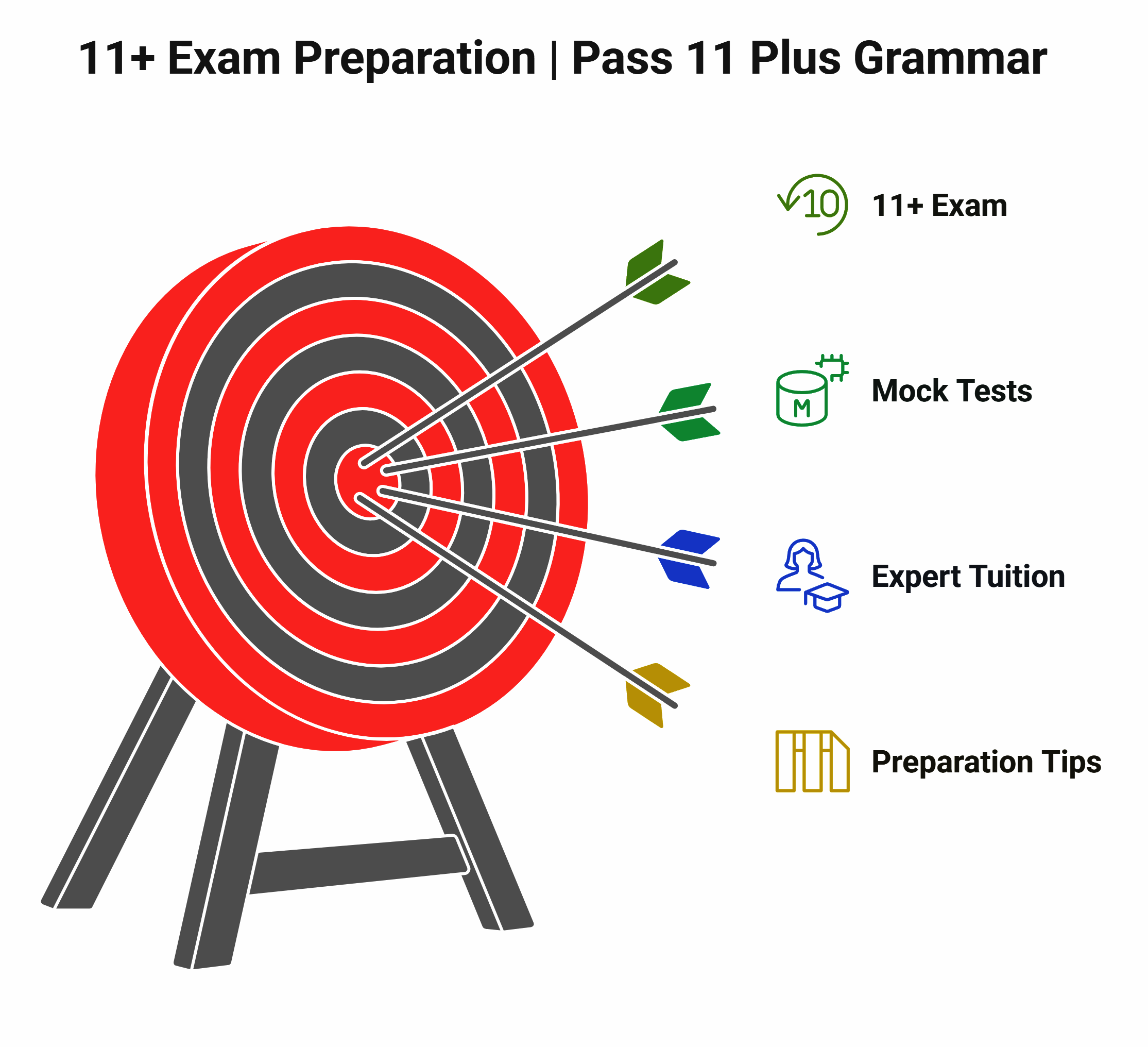
11 Plus Exam Preparation Pass 11 Plus Grammar[/caption]Not all practice papers are equal—choose wisely:
- Books: Series like CGP, Bond, or Schofield & Sims offer affordable, reliable papers for GL and CEM, available at bookstores or online.
- Online Resources: Websites like Pass 11 Plus Grammar provide downloadable, expertly crafted papers matched to your exam board. With over 25 years of experience, they’re a trusted choice for up-to-date materials.
- Tutors or Courses: A tutor might supply bespoke papers tailored to your local test, often with one-on-one guidance.
- Free Options: Some sites offer sample papers—great for variety, though they may lack detailed solutions.
Start with a mix: try a free paper, grab a book from the library, and invest in a few premium ones. You’ve got time to find your favourites.
Real-Life Success Stories
Need inspiration? Here’s how practice papers worked for others:
- Aisha, Birmingham: “I started a year early with one paper a month. By Year 6, I’d done 25 papers and felt so calm during the test—I passed for King Edward’s!”
- James, Kent: “Maths was my weak spot. Weekly papers showed me I needed help with ratios. With practice, I got into two grammar schools.”
- Priya, Pass 11 Plus User: “Their papers had such clear explanations. My Non-Verbal scores went from 60% to 90% in six months.”
These students prove that early, consistent practice pays off.
Answers to Your Questions
Starting early might spark some doubts. Let’s tackle them:
- “Is it too early?” Nope! Slow and steady wins here—think marathon, not sprint.
- “What if I score low?” That’s fine! Early papers are for learning, not perfection. You’ve got a year to grow.
- “How many papers total?” Aim for 30-40 by exam day, but quality trumps quantity—review matters more than volume.
- “What if I’m bored?” Switch subjects, try puzzles (like Sudoku), or reward yourself post-paper (e.g., a movie night).
- “GL or CEM?” Check your school’s website or ask a teacher. If unsure, prep for both—you’ll be ready either way.
Final Tips for Your 11+ Journey
You’re starting your 11+ preparation at the perfect time. Here’s how to stay on track:
- Plan Ahead: Mark your calendar with practice days—start light, then build up.
- Balance Fun and Work: Study for 45 minutes, then relax. Play sports, read, or hang out with friends to recharge.
- Lean on Your Team: Parents, teachers, or tutors can cheer you on and help when you’re stuck.
- Visualise Success: Picture yourself opening that acceptance letter next year—it’s motivation to keep going.
With 11+ practice papers as your guide, you’ll transform from a beginner to a pro by next year’s exam. You’re not just preparing for a test—you’re building skills, confidence, and a shot at your dream school. Keep it up, and good luck—you’re going to smash it!
Secure Your Child’s Future Today
[caption id="attachment_9139" align="aligncenter" width="1080"]
Contact Us[/caption]Ready to give your child the best chance of success? Take the first step towards excellence with Pass 11 Plus Grammar :
- 📞 Call Us : +44 787 1008 108 | +44 121 740 1008
- 📧 Email Us : info@pass11plusgrammar.com
- 🌐 Visit Our Website : https://pass11plusgrammar.co.uk/
- 🎓 Start Your Free Trial : Click here to begin your free trial
Follow us on social media for tips, updates, and success stories:
- Facebook : Pass 11 Plus Grammar Facebook
- Instagram : Pass 11 Plus Grammar Instagram
- YouTube : Pass 11 Plus Grammar YouTube

Mr Singh
Founder, Pass My GCSE
Mr Singh is the founder of Pass My GCSE, with over 30 years of teaching experience. Having overcome academic setbacks himself, he is passionate about ensuring no child struggles alone. His approach focuses on personalised support, strong foundations, and building confidence. He has helped students achieve outstanding results in 11+ and GCSE examinations
Loading related posts…