Loading page…
Are 11+ Mock Exams Worth It?
Published on
Some parents see mock exams as an extra expense and an extra source of stress. Others swear by them. So who is right? This guide explains exactly what 11 plus mock exams do for your child, what they cannot do, and how to get the most out of every single one.
What is an 11 plus mock exam?
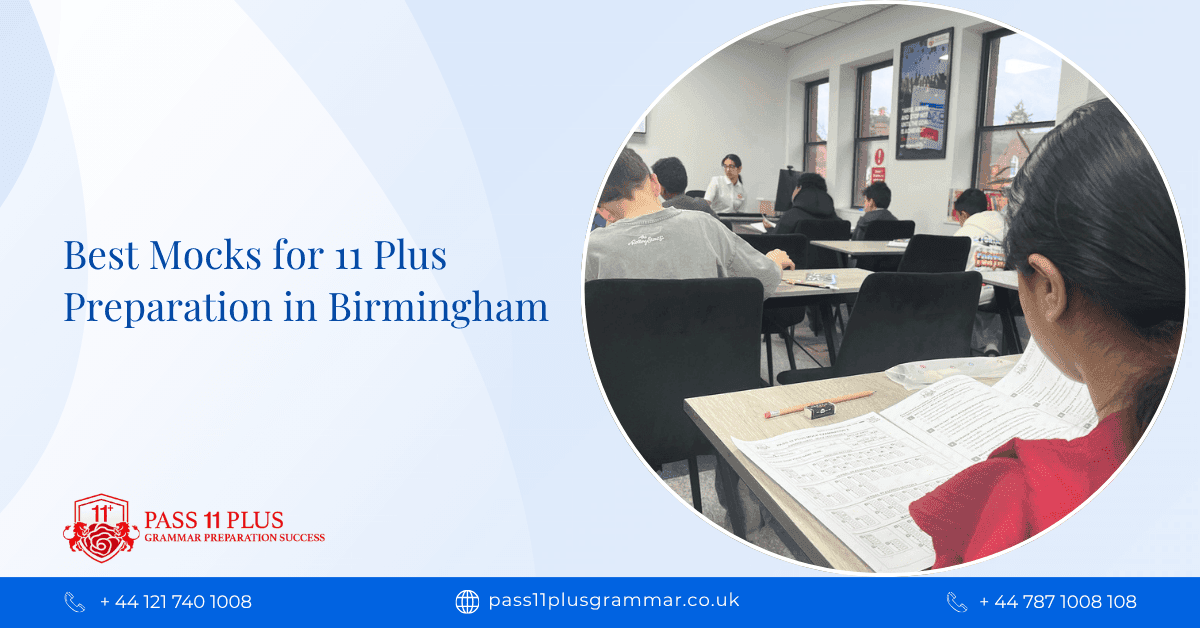
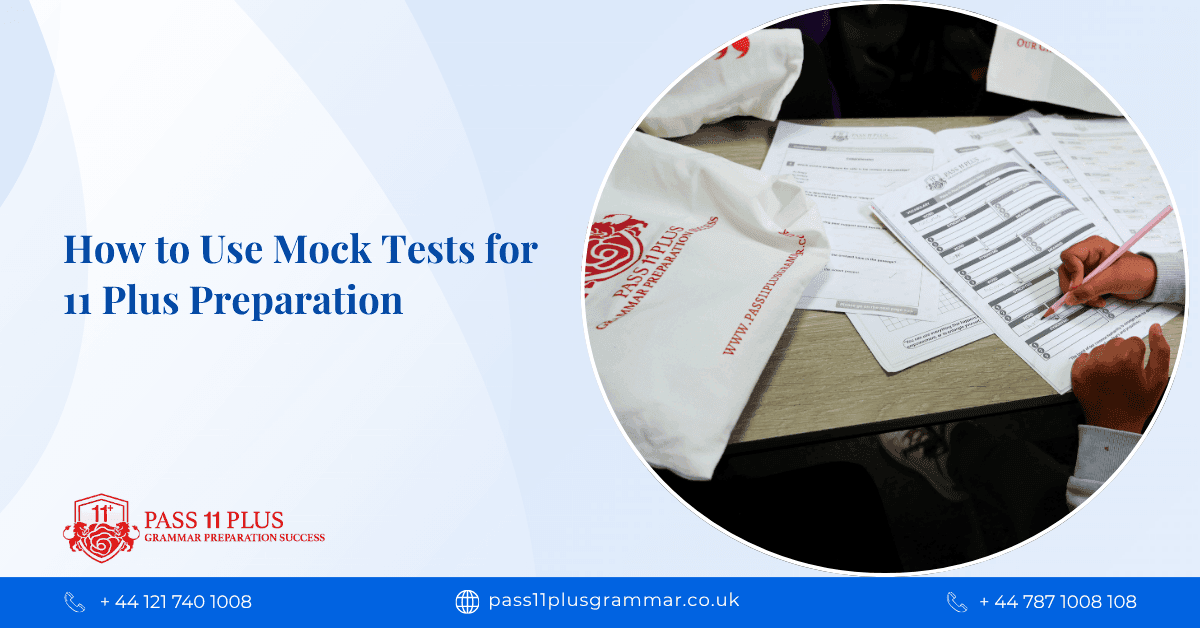
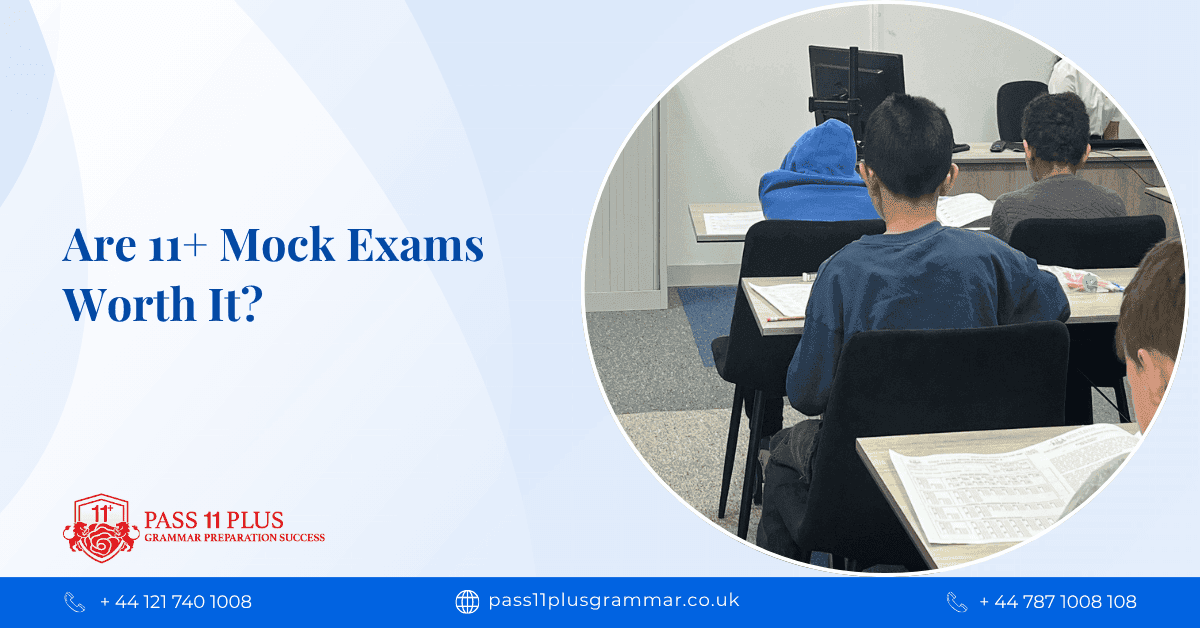
An 11 plus mock exam is a practice version of the real 11 plus, sat under the same conditions as the actual exam. That means timed, in a proper exam hall or classroom, with an invigilator present and other children sitting the same paper at the same time.
The papers used in a good mock exam are either official past papers from the relevant exam board or specially written papers that closely match the real exam format. The point is not just to practise the questions. It is to practise everything that goes with the questions: the pressure, the clock, the unfamiliar room, the silence, the nerves.
After the exam, a good mock provider gives you detailed results broken down by subject and question type, not just a total score. That feedback is what makes a mock exam genuinely useful rather than just a stressful afternoon.
7 reasons 11 plus mock exams are genuinely worth it
Parents sometimes wonder whether their child really needs to sit a formal mock exam when they are already doing practice papers at home. Here is why the two things are not interchangeable - and why mocks give children something that home practice simply cannot.
1. They replicate the real exam experience
The 11 plus is the first real, high-stakes exam most children have ever sat. Sitting in an unfamiliar room, surrounded by children they do not know, working through a full paper against the clock while an invigilator walks up and down the room - that is a completely new experience for most Year 5 children. And new experiences are almost always more stressful than familiar ones.
A mock exam takes that shock factor away before it matters. After sitting one or two mocks under proper conditions, the real exam environment no longer feels intimidating. Children know what to expect, and that familiarity makes a very real difference to how they perform on the actual day.
2. They show exactly where marks are being lost
Home practice gives parents a rough sense of how their child is getting on. A properly run mock exam gives you something far more valuable: a detailed breakdown of exactly which topics, question types, and sections are costing marks.
Is your child strong in maths but losing marks on verbal reasoning? Are they running out of time in the English comprehension? Are there specific question formats they are consistently getting wrong? A good mock exam result answers all of these questions clearly, turning a vague worry into a specific, actionable plan.
This is why our 11 plus mock exams include detailed section-by-section feedback after every sitting. Knowing where the gaps are is the first step to closing them.
3. They build real-time management skills
Time management is one of the most common reasons children underperform in the 11 plus. They know the material. They can answer the questions. But they run out of time before they finish the paper, or they spend too long on hard questions and rush through easier ones at the end.
This skill can only be built by practising under timed pressure - not by reading a book or watching a video. Every mock exam your child sits teaches them a little more about how to pace themselves across a full paper, when to move on from a stuck question and how to check their work in the final minutes. These habits build with repetition, which is why sitting multiple mocks matters more than sitting just one.
4. They build confidence - even when results are disappointing
It might seem like a poor mock result would knock a child's confidence. In reality, the opposite is usually true. A child who has sat a mock, seen their results and worked hard on the gaps they found will walk into the next mock feeling more prepared and more in control. That sense of progress is one of the most powerful motivators a child can have.
And even if the first mock feels hard, simply having done it means the second one will feel much less frightening. Confidence in exams is built through experience, not reassurance. Sitting mocks regularly gives children that experience before it really matters.
5. They give parents an honest, objective picture
One of the hardest things about 11 plus preparation is knowing whether your child is genuinely on track. Home practice scores can be misleading - children are comfortable at home, and the conditions are nothing like the real exam. A tutor's opinion is helpful but subjective. A mock exam gives you something none of these can: an objective, standardised snapshot of your child's performance under real exam conditions.
You can see how your child's score compares to the typical pass mark for your target school. You can see whether they are improving between mocks. You can see exactly which subjects need more attention in the weeks ahead. That information is genuinely priceless when it comes to making good decisions about preparation.
Combined with guidance from our 11 plus tutors, mock exam results take all the guesswork out of knowing what to focus on next.
6. They teach children how to handle exam anxiety
Almost every child feels nervous before an exam. A small amount of nerves is actually helpful - it sharpens focus and keeps children alert. But strong anxiety gets in the way of performance, causing children to freeze, rush, make careless mistakes or go blank on questions they actually know the answer to.
The best way to manage exam anxiety is exposure. The more times a child sits in an exam room and works through a full paper under pressure, the less frightening the whole experience becomes. Mock exams build this familiarity gradually, so that by the time the real 11 plus arrives, your child's nerves are manageable rather than overwhelming.
7. They make tuition sessions far more targeted
When a child sits a mock exam and brings the results to their next tuition session, the tutor does not have to guess what to focus on. The paper tells them everything. Which question types need drilling? Which topics have gaps? Which sections cost the most marks? Every tuition session that follows a mock exam becomes sharper, more targeted and more effective.
This is one of the reasons our 11 plus tuition programme is designed to work hand-in-hand with regular mock sittings. The combination of great tuition and honest mock feedback is significantly more powerful than either one on its own.
Limited spaces available
Ready to book your child's first 11 plus mock exam?
Real exam conditions, detailed results and expert feedback - everything your child needs to prepare with genuine confidence.
Mock exams vs practice papers at home - what is the difference?
Both are valuable. But they are not the same thing, and it is important to understand what each one does well.
11 Plus Mock Exam | Practice Papers at Home |
Sat under real exam conditions | Completed in a comfortable, familiar environment |
Invigilated, just like the real exam | No invigilator present |
Unfamiliar room with other children present | Usually completed alone or with parents |
Strict timing enforced throughout | Timing may be loosely enforced |
No opportunity to pause or check answers mid-paper | Easier to pause, restart, or skip difficult questions |
Provides detailed section-by-section performance reports | Limited feedback unless reviewed by a tutor or parent |
Includes standardised scores for accurate comparison | Scores are difficult to compare with other children |
Helps children experience real exam pressure | Helps build subject knowledge and question familiarity |
Builds confidence through real exam exposure | Ideal for daily practice between mock exams |
Home practice papers are an essential daily habit throughout preparation. Our free 11 plus practice papers are designed to be used exactly this way - regular, focused practice between tuition sessions and mock sittings. But they work best when they are supported by the real-conditions experience that only a proper mock exam can give.
When should your child sit their first 11 plus mock?
This is one of the most common questions parents ask us. The timing of your child's first mock depends on when they started preparation and how much ground they have covered so far. Here is a practical guide.
Around 6 months before the exam
First mock - get a baseline: This is often the ideal time for a first mock. Your child has had several months of preparation and has covered most of the core topics, but there is still plenty of time to act on the results. The first mock tells you where you genuinely stand - not where you hope you stand. Use it as a starting point, not a final verdict.
Every 4 to 6 weeks after that
Regular mocks - track progress and refocus: After the first mock, regular sittings every four to six weeks keep tracking progress, keep motivation high and keep identifying new areas to focus on. Each mock should be followed by a targeted period of work on the sections where marks were lost before the next sitting.
4 to 6 weeks before the real exam
Final mock - test readiness and settle nerves: The last mock before the real exam is about building confidence and settling nerves as much as finding new gaps to fix. At this point, major revision should already be done. A strong final mock performance gives your child the belief that they are ready. And even a shaky one gives you a final chance to focus on the areas that matter most.
Starting late? No problem
Intensive preparation plus mocks: If your child is starting their 11 plus preparation later than ideal, our 11 plus intensive summer course combines concentrated content revision, exam technique work and timed mock practice in one focused programme. It is designed specifically for families who need to make fast, effective progress in the weeks before the exam.
What to do after every mock exam
Sitting the mock is only half the job. What you do with the results is what actually moves the needle. Here is how to make the most of every mock your child sits.
Read the results report carefully: Do not just look at the overall score. Go through the section-by-section breakdown and find out exactly which question types and topics cost marks. A low score in verbal reasoning means something very different from a low score in maths comprehension - and the response needs to be different too.
Go through the paper together: Sit with your child and go through every question they got wrong. Not to make them feel bad, but to understand why. Did they misread the question? Did they not know the topic? Did they run out of time? Each type of mistake has a different solution, and understanding the reason is the first step to fixing it.
Update the revision plan: Every mock result should directly update your child's revision plan for the weeks ahead. The topics and question types where marks were lost should move to the top of the revision list. Use our free practice papers to drill those specific areas between now and the next mock or tuition session.
Share the results with your tutor: If your child is working with one of our 11 plus tutors, bring the full results report to the next session. A good tutor will use the mock feedback to reshape their sessions around the gaps it reveals. This is how tuition stays targeted and efficient rather than covering the same ground repeatedly.
Acknowledge the effort, not just the score: Sitting a full exam under real conditions is hard work. Regardless of how the score looks, acknowledge the effort your child put in. Children who feel genuinely supported and praised for their effort sustain motivation through a long preparation period far better than those who only hear praise when they score well.
Book the next mock before leaving this one: The best time to book the next mock is immediately after sitting this one. Do not let the weeks drift by without another sitting scheduled. Regular, spaced mock practice is what builds the experience and confidence that makes the real exam feel manageable.
How many mock exams should your child sit?
There is no perfect number that works for every child. But there are some sensible guidelines that most experienced tutors and 11 plus specialists would agree on.
Most children benefit from sitting between three and five mock exams before the real 11 plus.
The first mock should be early enough to leave time to act on the results - ideally around six months before the exam.
Mocks should be spaced four to six weeks apart to allow time for focused revision between each sitting.
The final mock should be close enough to the real exam to be a genuine test of readiness - around four to six weeks before the real date.
Each mock must be followed by targeted work on the gaps it reveals. Sitting mocks without acting on the results produces very little improvement.
Children who are finding preparation particularly hard may benefit from more frequent mocks. Children who are already performing well may need fewer.
If you are not sure how many mocks your child needs or when to schedule them, our specialist tutors can help you build a preparation timeline that fits your child's current level and the time available before their exam. And our 11 plus tuition programme is designed to work alongside regular mock sittings, so that every session is as targeted and effective as possible.
Final thoughts
If there is one thing we have learned from helping over a thousand children earn grammar school places, it is this: the children who sit regular mock exams and use the results to guide their revision consistently outperform those who rely on home practice alone. The exam conditions, the detailed feedback and the repeated experience of working under real pressure all add up to a meaningful advantage on the day that matters.
At Pass 11 Plus Grammar, our mock exams are run under full exam conditions and followed by the detailed, actionable feedback your child needs to keep improving. Pair that with our expert tuition, and your child will walk into the real exam having done everything possible to be ready.
Frequently Asked Questions
Are 11 plus mock exams worth it?
Yes, absolutely. Mock exams are one of the most valuable parts of 11 plus preparation. They replicate real exam conditions, reveal exactly which topics and question types need more work, and build the confidence and exam technique that make a measurable difference on the real day.
When should my child sit their first 11 plus mock exam?
Most children benefit from sitting their first mock around six months before the real exam. This gives you a clear baseline picture of where your child stands while leaving plenty of time to act on the results. After the first mock, aim to sit further mocks every four to six weeks, ending with a final mock around four to six weeks before the real exam date.
How are mock exams different from practice papers at home?
Home practice papers are great for building knowledge and speed, but they cannot replicate the real exam environment. A proper mock exam is invigilated, timed strictly and sat in an unfamiliar room alongside other children - just like the real 11 plus.
What do 11 plus mock exam results tell you?
A properly run mock exam gives you a detailed breakdown of your child's performance by subject and question type, not just a total score. This tells you which topics are strong, which question types are costing marks and where tuition or extra practice should be focused next.
What if my child does badly in a mock exam?
A difficult mock result is not a disaster - it is one of the most useful things that can happen before the real exam. It shows exactly where the gaps are while there is still time to close them. The key is to go through the paper carefully, update the revision plan around the areas that cost marks, and use the feedback to make the next tuition sessions more targeted.
How many 11 plus mock exams should my child sit?
Most children benefit from three to five mocks before the real exam, spaced four to six weeks apart. The exact number depends on when preparation starts and how much time is available.
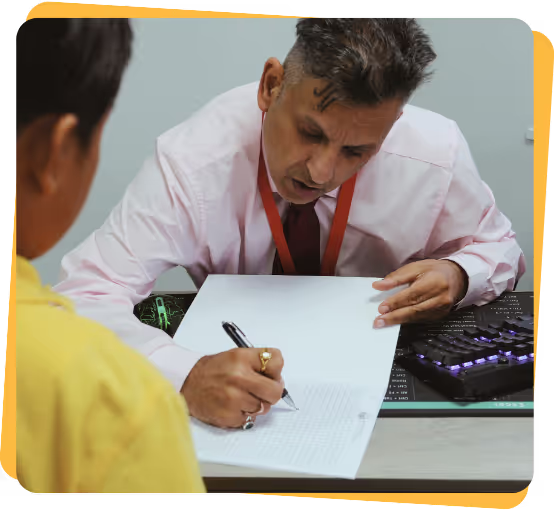
Mr Singh
Founder, Pass 11 Plus Grammar
Mr Singh is the founder of Pass 11 Plus Grammar, with over 30 years of teaching experience. Having overcome academic setbacks himself, he is passionate about ensuring no child struggles alone. His approach focuses on personalised support, strong foundations, and building confidence. He has helped students achieve outstanding results in 11+ and GCSE examinations
Loading related posts…